Art, craftsmanship and authentic design often need the serenity of an atelier to make fully matured works. But creatives in these fields also build upon the experience and knowledge of countless others, whether contemporary teachers or past masters. The interplay between creative solitude and connection to a community is the theme of the current autumn issue of Art Aurea.
A particularly inspiring community of women artists can be found at the GEDOK House in Stuttgart. Built ten years after World War II in a city that had suffered severe destruction, the GEDOK House continues to provide members of an extensive collective of women artists with affordable studios and, in some cases, even living quarters, where they can lead long and creative lives. Our photographer, Ulrike Myrzik, was so captivated by the cheerful and friendly atmosphere there that she could easily imagine moving in herself.
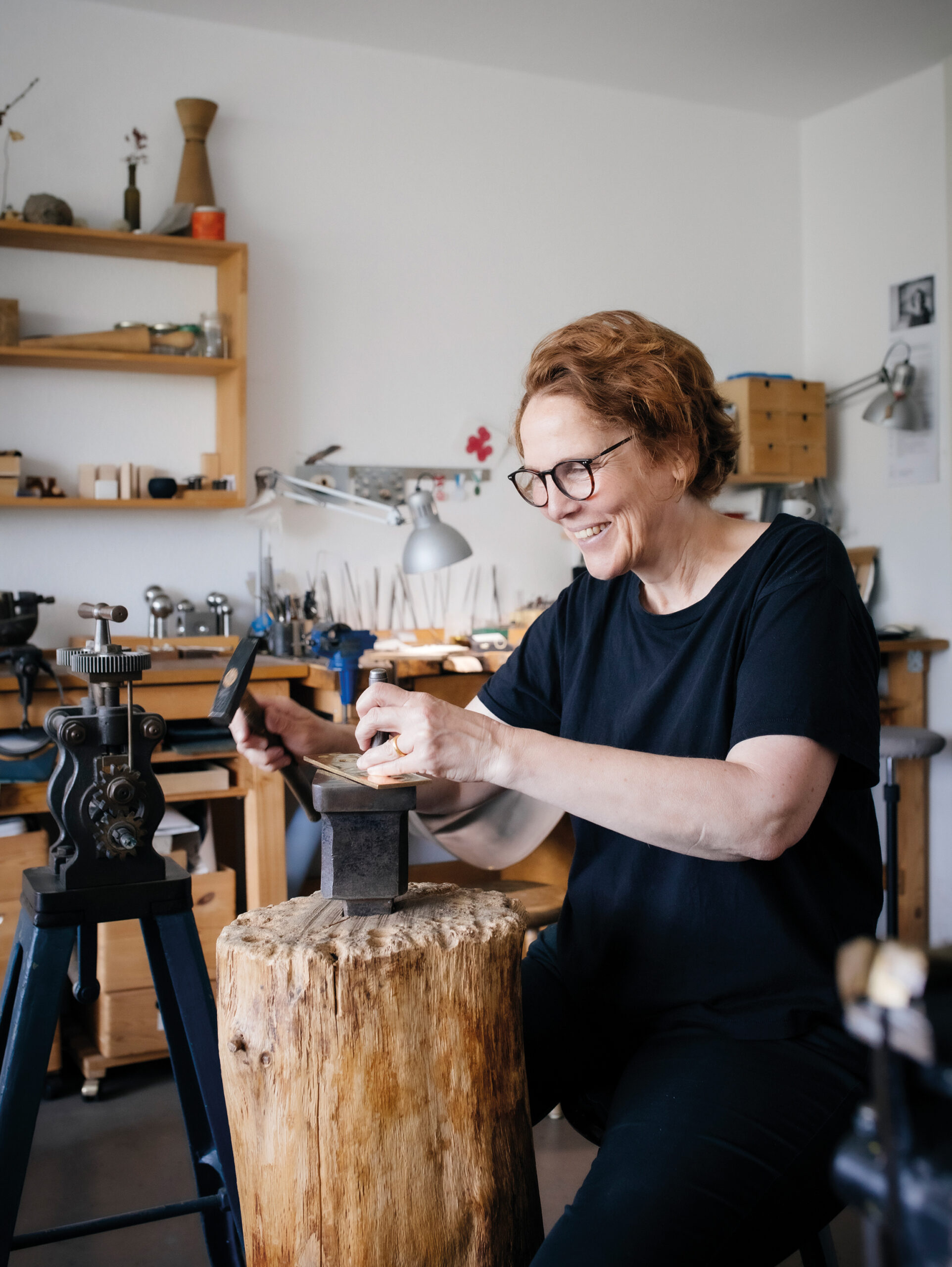
Two goldsmiths are currently enjoying the use of a workshop in the GEDOk building. We feature Nicole Walger in our article. Photo by Ulrike Myrzik.
The workshop of Andreas Richter, brilliantly portrayed by photographer Matthias Ritzmann and lovingly described by Renate Luckner-Bien, resembles a museum-like cabinet of curiosities. But unlike historical collections of rarities that feature art objects and natural artifacts, many of the items on display in Richter’s workshop are his own creations. Although this paper artist surely needs solitude for his work, he too is part of a community that includes, among others, the artist Dorothea Prühl from Halle an der Saale. The containers that he crafts for her jewelry recall styles typically associated with Japan.
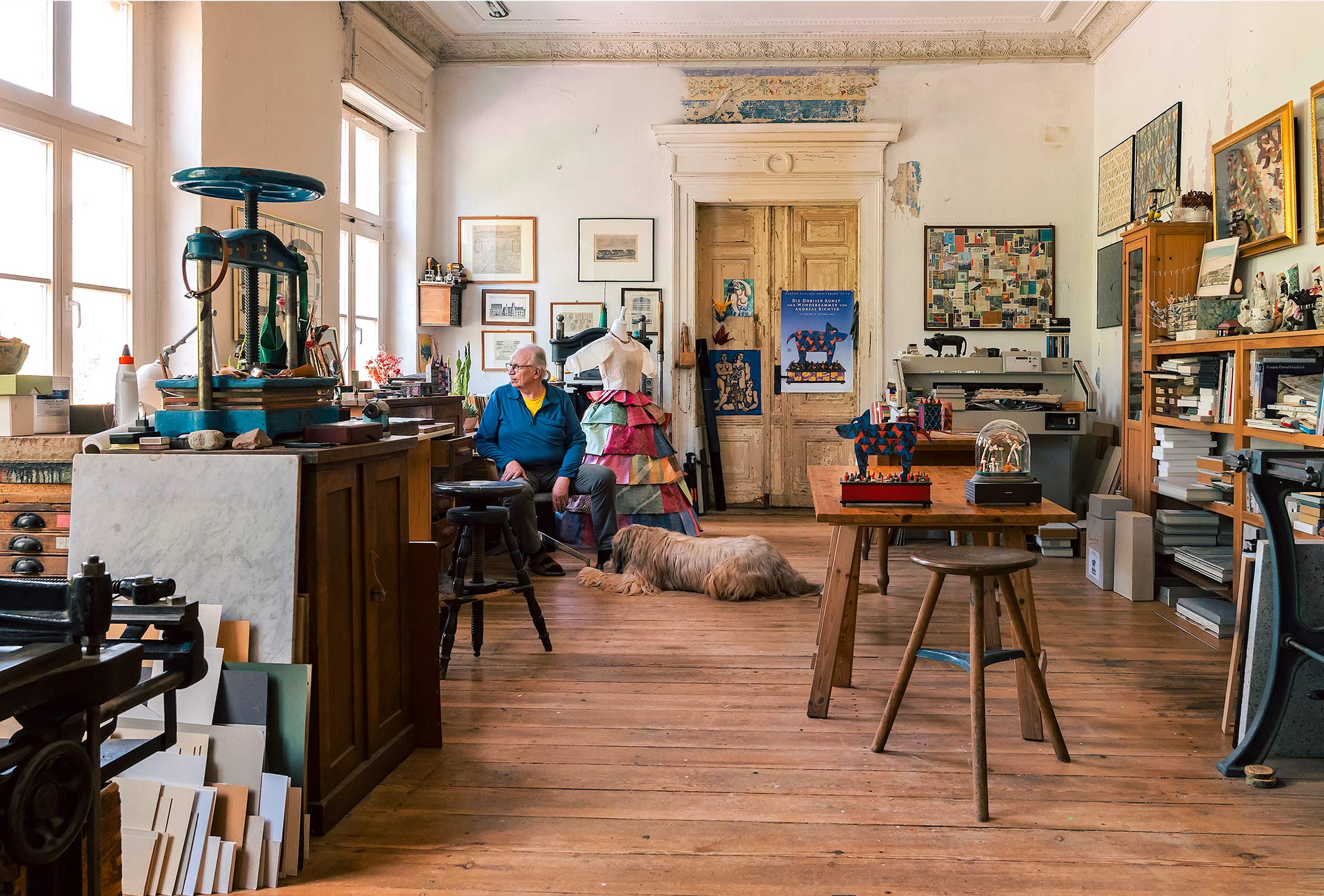
In this picture-book-like workshop, Andreas Richter creates artistic objects and jewelry boxes out of paper and cardboard. Photo by Matthias Ritzmann.
On the cover: Veronika Fabian, winner of the Friedrich Becker Prize
Anyone viewing Veronika Fabian’s jewelry can easily appreciate the time-consuming labor that she invests in each and every piece. Essential to this process is the tranquility of a traditional artisan’s workshop, an institution that has withstood all the pressures of the industrial age. It is a charming historical irony that this British-Hungarian artist even transforms industrial products into unique works of art. Yet the creations of the winner of the 2026 Friedrich Becker Prize would also be difficult to imagine without the international art jewelry scene, for which ambitious goldsmiths such as the professor from Düsseldorf paved the way.
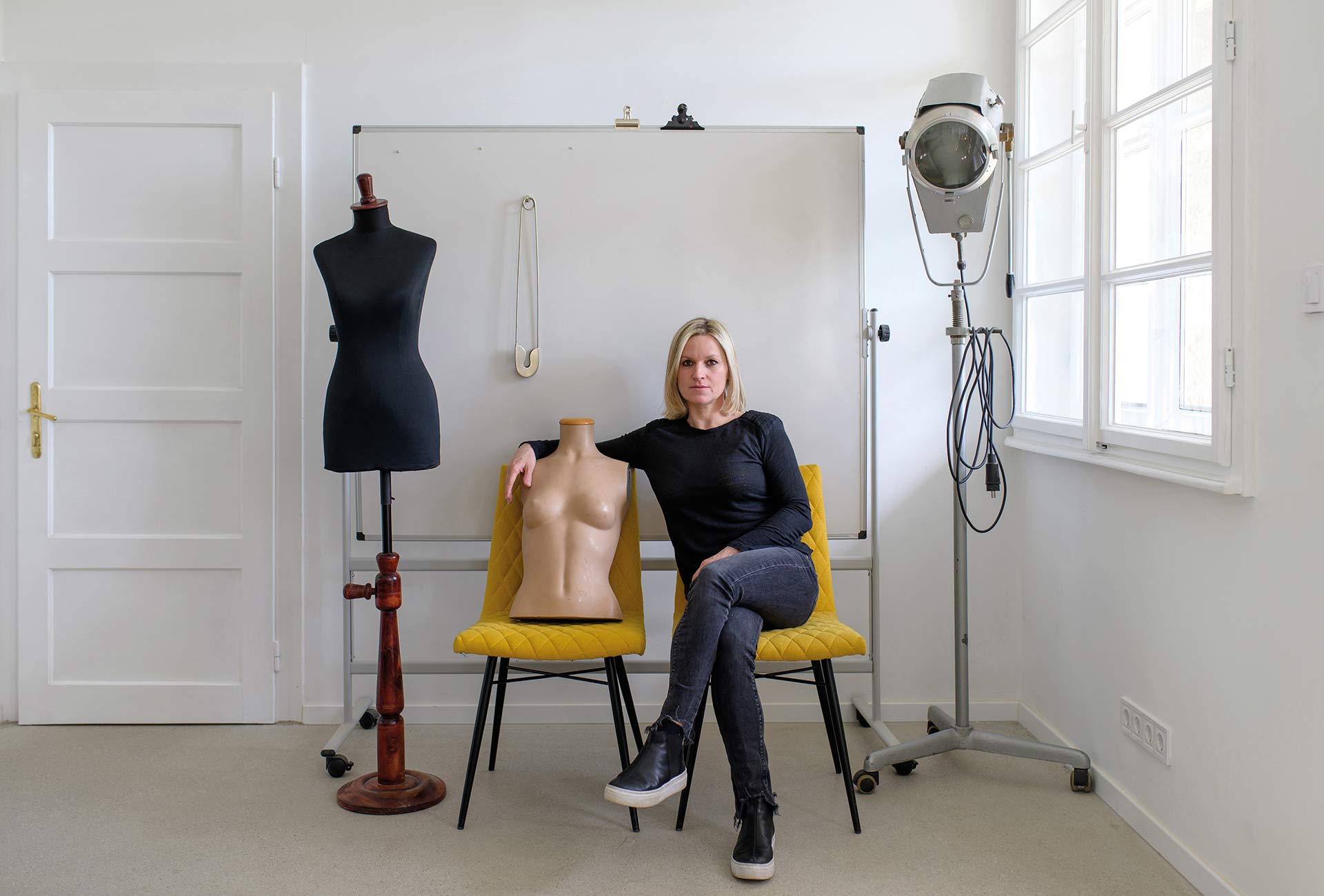
Veronika Fabian, born in Budapest, is the tenth winner of the Friedrich Becker Prize. Photo by Kata Gyenes.
My Story, My Work
As the Bible says, the ways of the Lord are often wondrous. This maxim sometimes applies equally well to art and creative craftsmanship, as our new “My Story, My Work” section shows.
Take Quyen Mac, for instance. After finishing her schooling, she studied music. As a pianist, she devoted many years to exploring sound, interpretation and expression. Playing the piano also taught her patience, discipline and dedication. She found parallels, along with a stronger connection to everyday culture, in ceramics. This inspired her to open a wonderful ceramics studio with an impressive showroom in downtown Heidelberg.
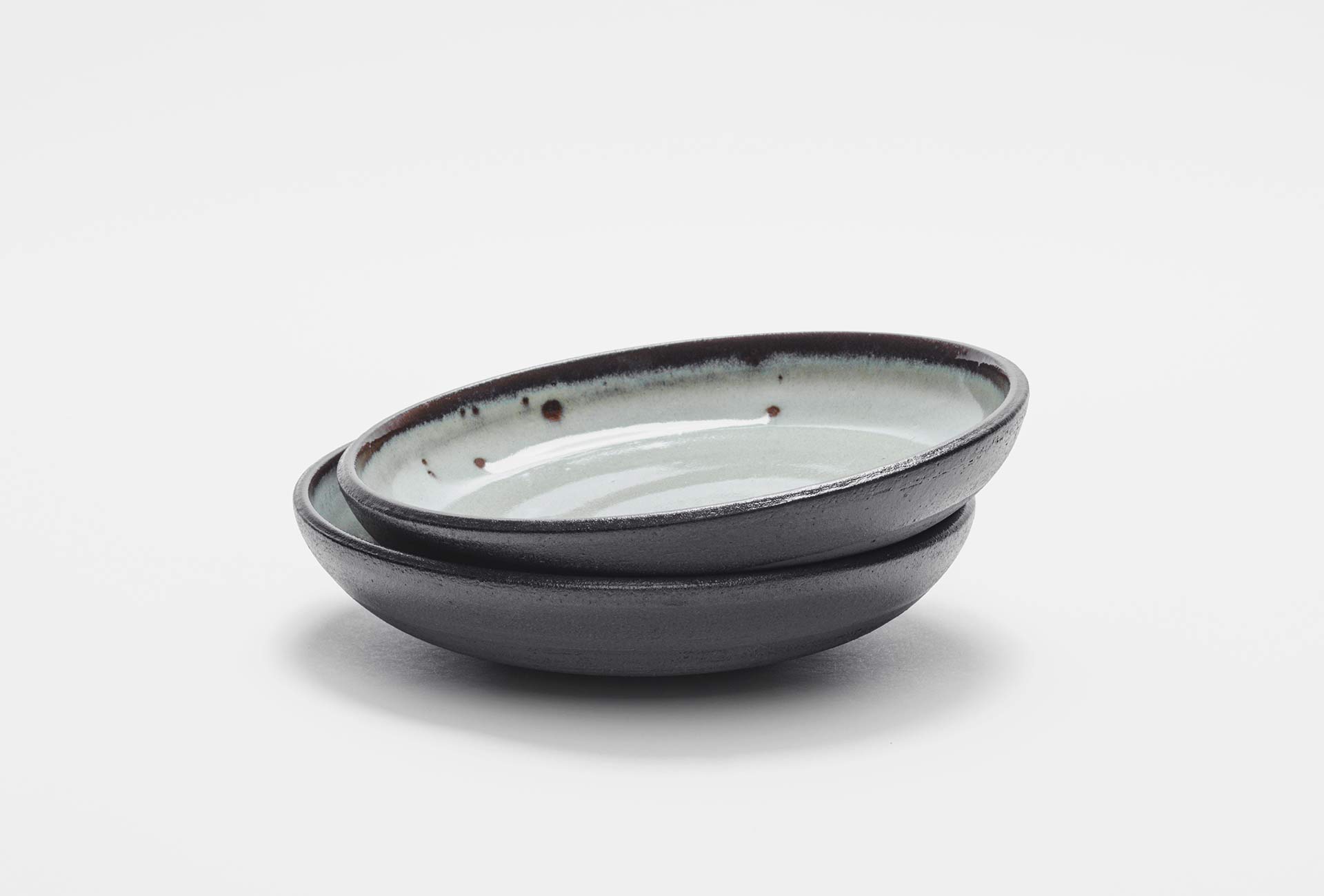
The vessels by Quyen Mac from Heidelberg are simple yet highly sensual and functional. She explains how this came about in our “My Story, My Work” section. Photo by Quyen Mac.
Equally fascinating is the journey of Stevan Hartung from Ireland. He initially studied industrial design at the National College of Art and Design in Dublin, but soon decided he would rather spend his time working directly with materials than sitting in a design office. This decision led him to a carpenter in Berlin who introduced him to the work and philosophy of James Krenov (1920–2009). With the help of a German journeyman carpenter who was on his traditional “wandering years,” Stevan Hartung set up his own workshop in the Wicklow Mountains south of Dublin, surrounded by a forest he had planted himself.
Hannah Rembeck learned the goldsmithing trade at the vocational school in Neugablonz. She had intended to take her first job at Brigitte Berndt’s gallery in Regensburg, but two weeks before she was due to start, news arrived that the gallery owner had died in an accident. Hannah Rembeck chronicled for us how she struck a successful balance between running her gallery for contemporary jewelry art and raising her young family shortly thereafter.
These three fascinating stories alone make the new issue of Art Aurea worth buying – or, better yet, subscribing to.
Review
This edition includes reports about the winner and special mentions of the Loewe Foundation Craft Prize, the anniversary of Galerie Metzger für Keramik und Kunst, the Bernhard Schobinger exhibition at the Museum of Fine Arts in Houston, Texas, and the tenth Venice Glass Week.
Art & Ecology
The scorching summer of 2026 demonstrates this all too clearly. Anyone who thought we could carry on as before was sorely mistaken. Much needs to change, including in the world of art. In our search for positive examples and model projects that combine art with ecology, we found what we were looking for in Vienna.
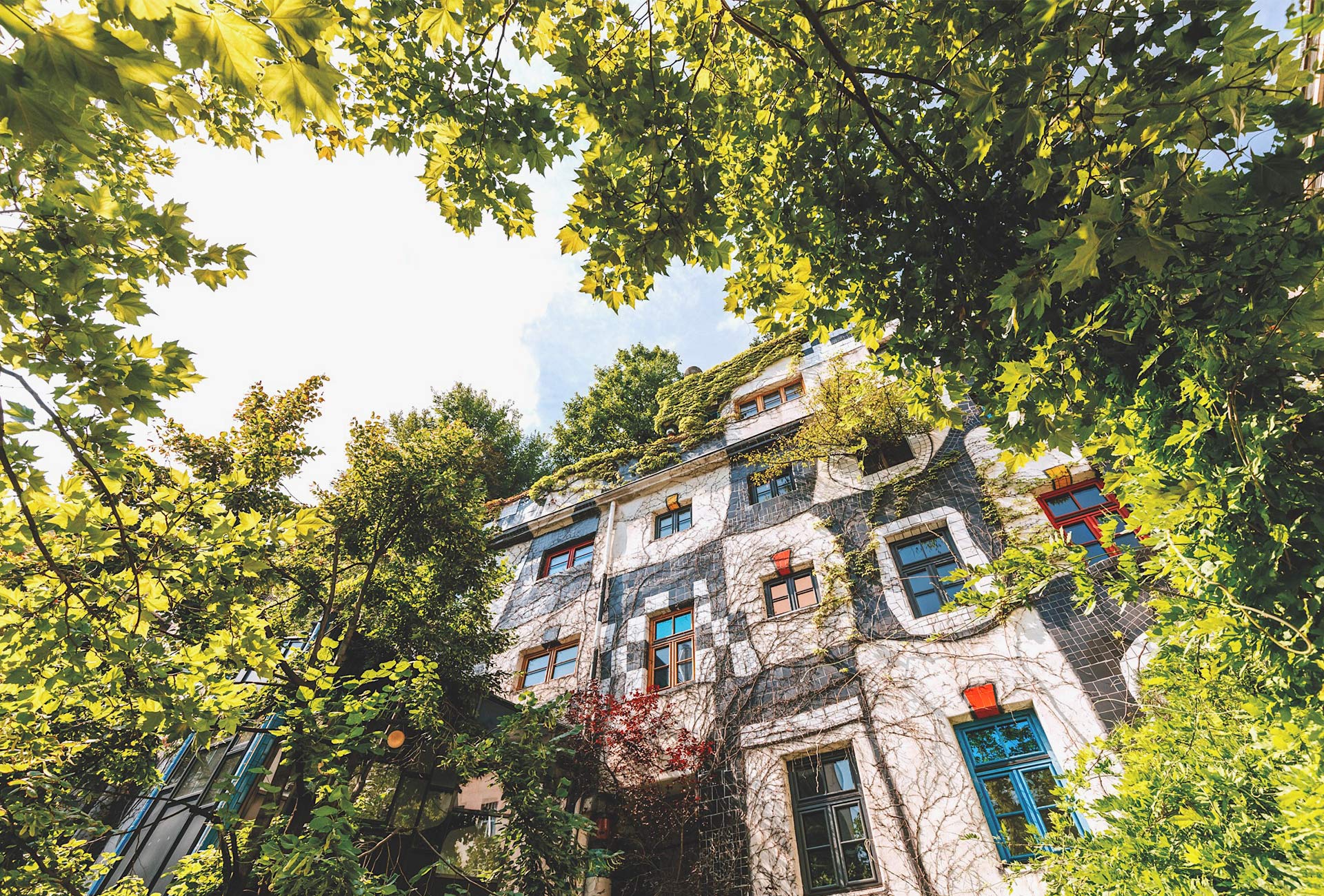
A colorful array, nestled in greenery. The KunsthausWien was founded at the initiative of Friedensreich Hundertwasser. In 2015, it was rebranded as a “green museum.” Photo © Paul Bauer.
Where to find Art Aurea
As usual, Art Aurea magazine has 92 pages including the cover and is available by subscription and in leading galleries and stores.